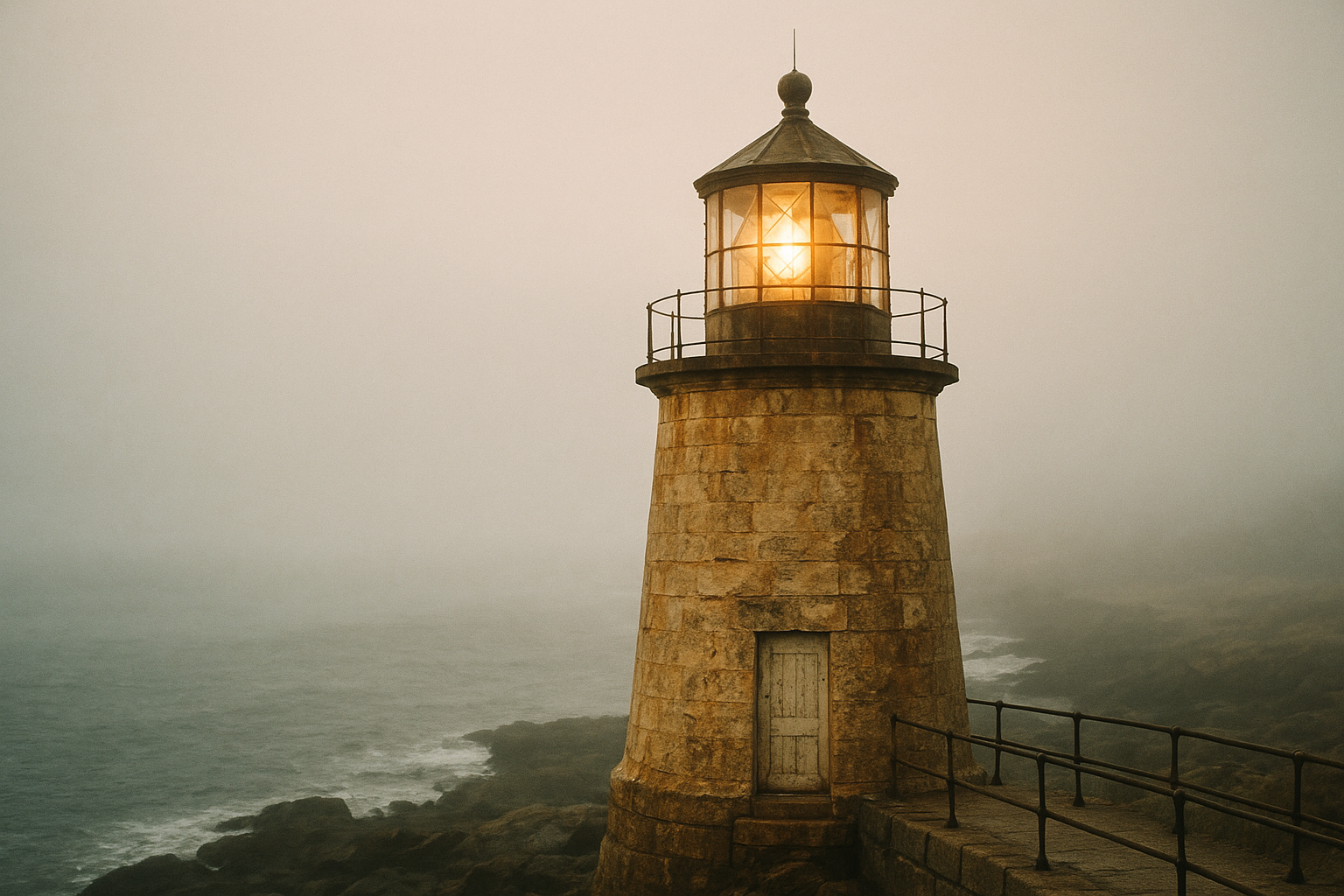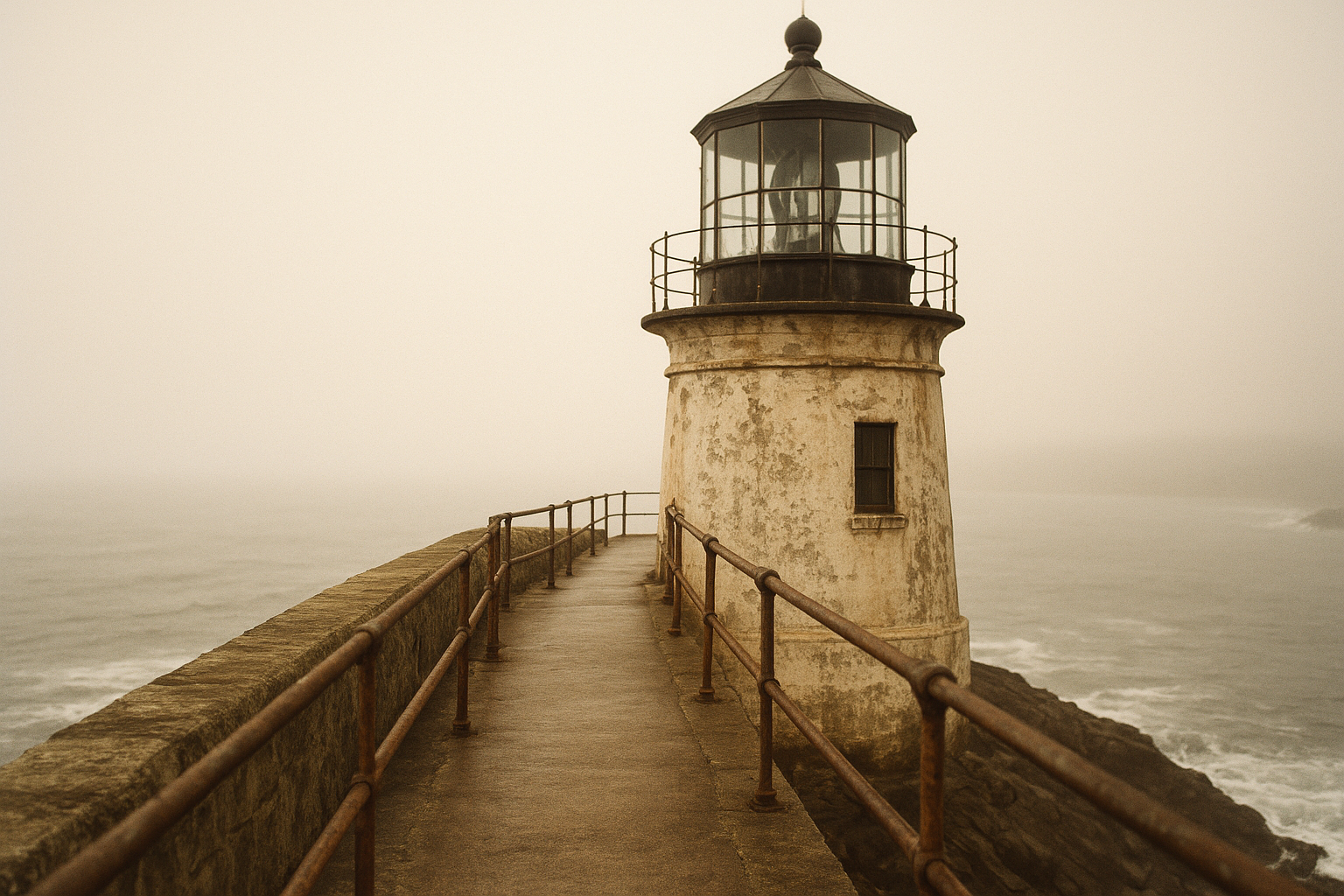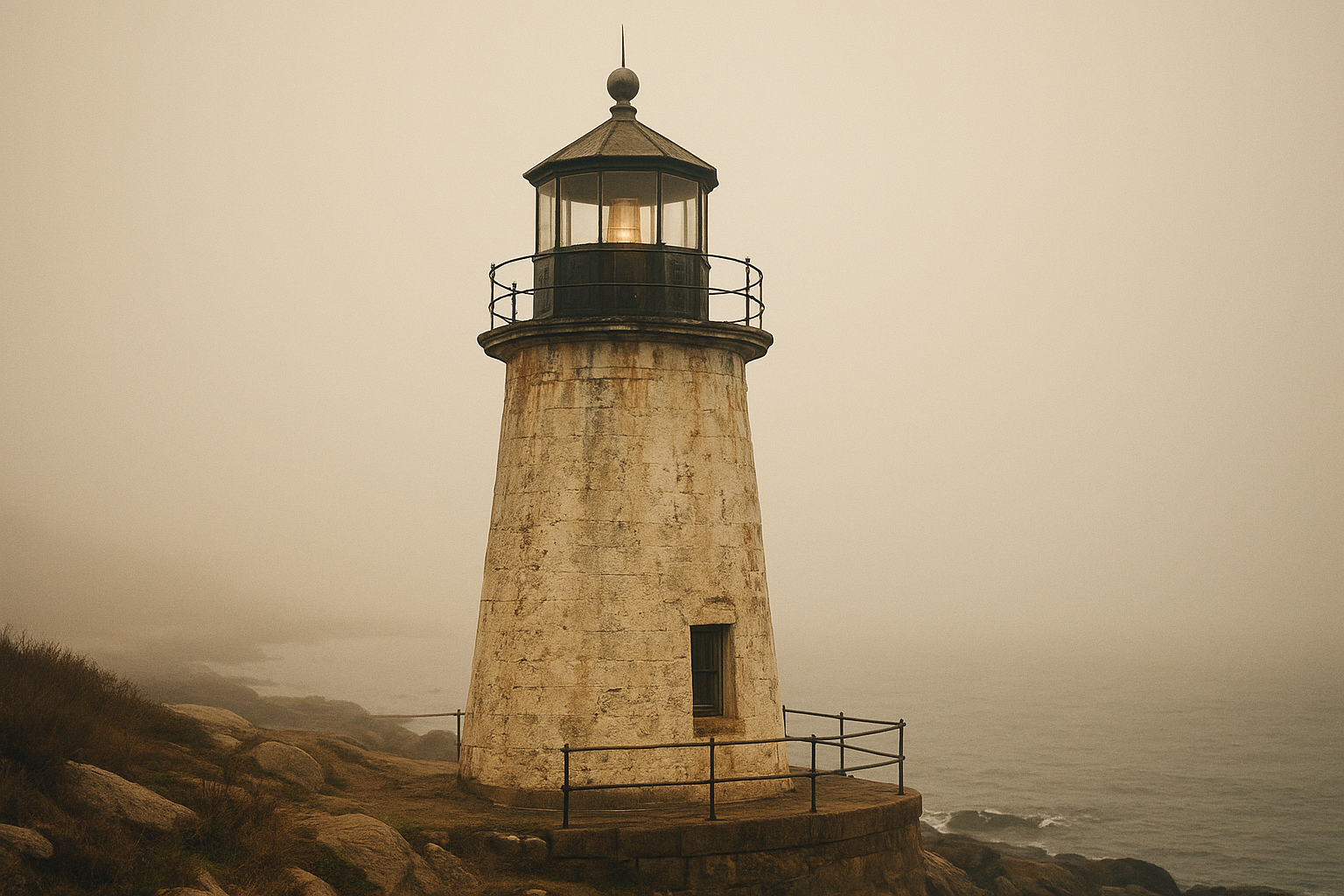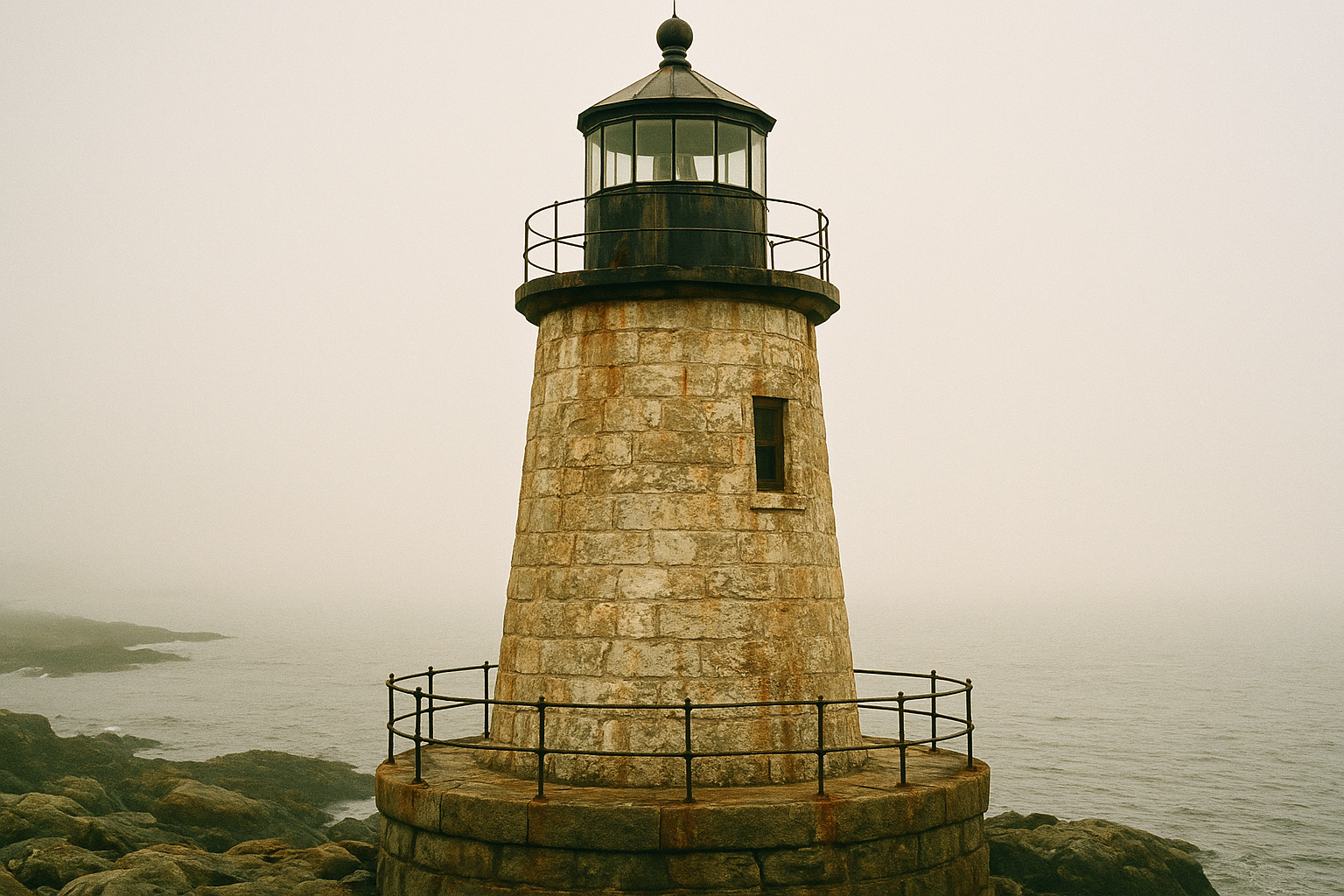
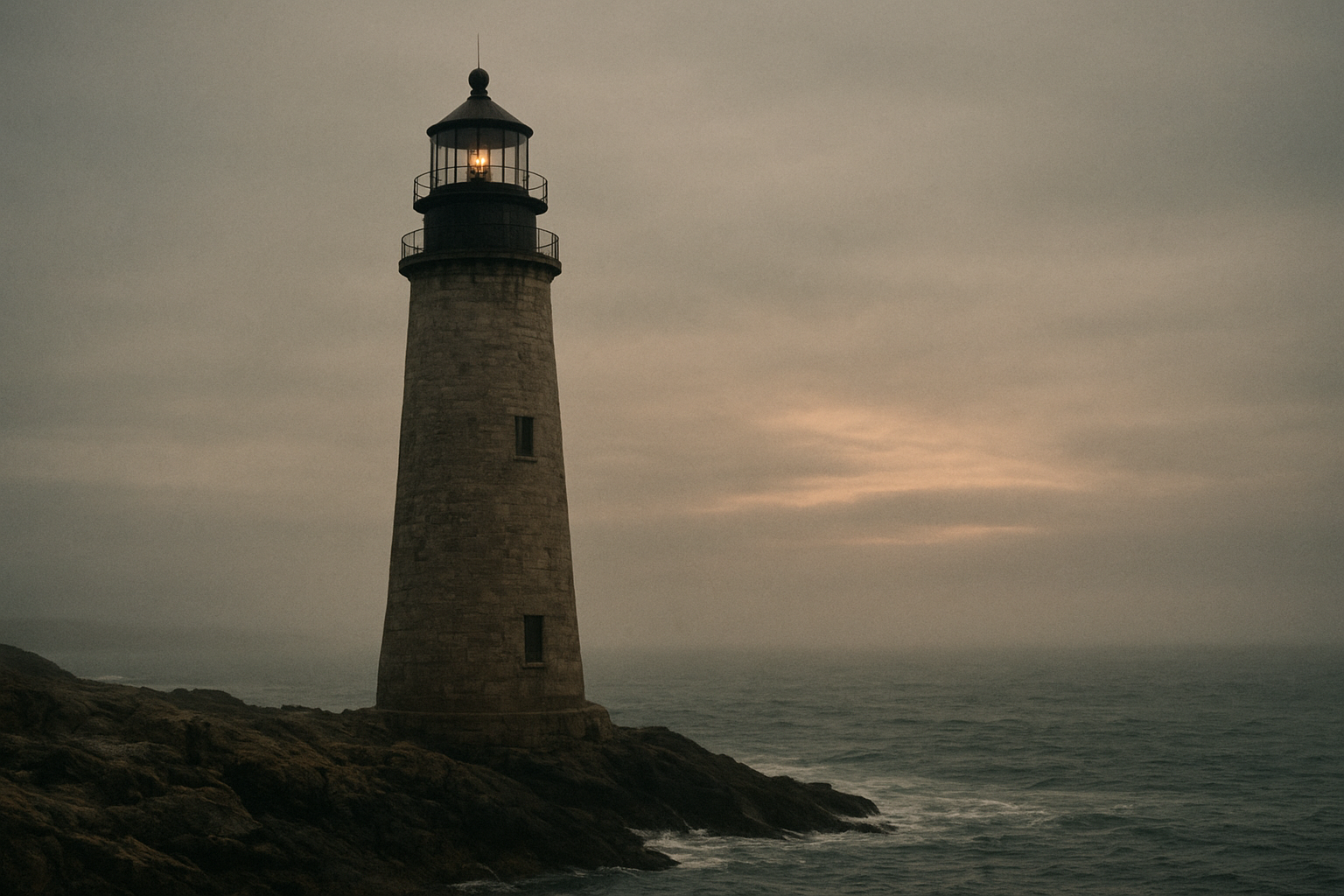
Historic stone lighthouse on a northern coast above a cold sea, photographed in warm archival film style with soft grain and mist

Northern Coast Lighthouse Archive

Explore archival photography, keeper stories, and preserved tower records gathered from the shoreline history of the northern coast.

  • Preserved towers
  • Archival photography
  • Keeper accounts

Introduction

Why the northern-coast lights still matter

This archive traces preserved lighthouse towers from active navigation years to present-day conservation, linking shoreline geography with the people who kept these signals alive.

Navigation & weather

Before radar and automated buoys, these towers marked reefs, harbor mouths, and fog-heavy approaches where winter seas turned routine passages into risk.

Isolation & duty

Keeper journals describe long stretches of wind, salt, and distance: repetitive maintenance, lamp care, and night watches that kept ships oriented when visibility failed.

Preservation & memory

Now protected as heritage markers, surviving towers carry local memory — engineering records, family histories, and evidence of how coastal communities adapted to the sea.

Continue with firsthand accounts in keeper stories
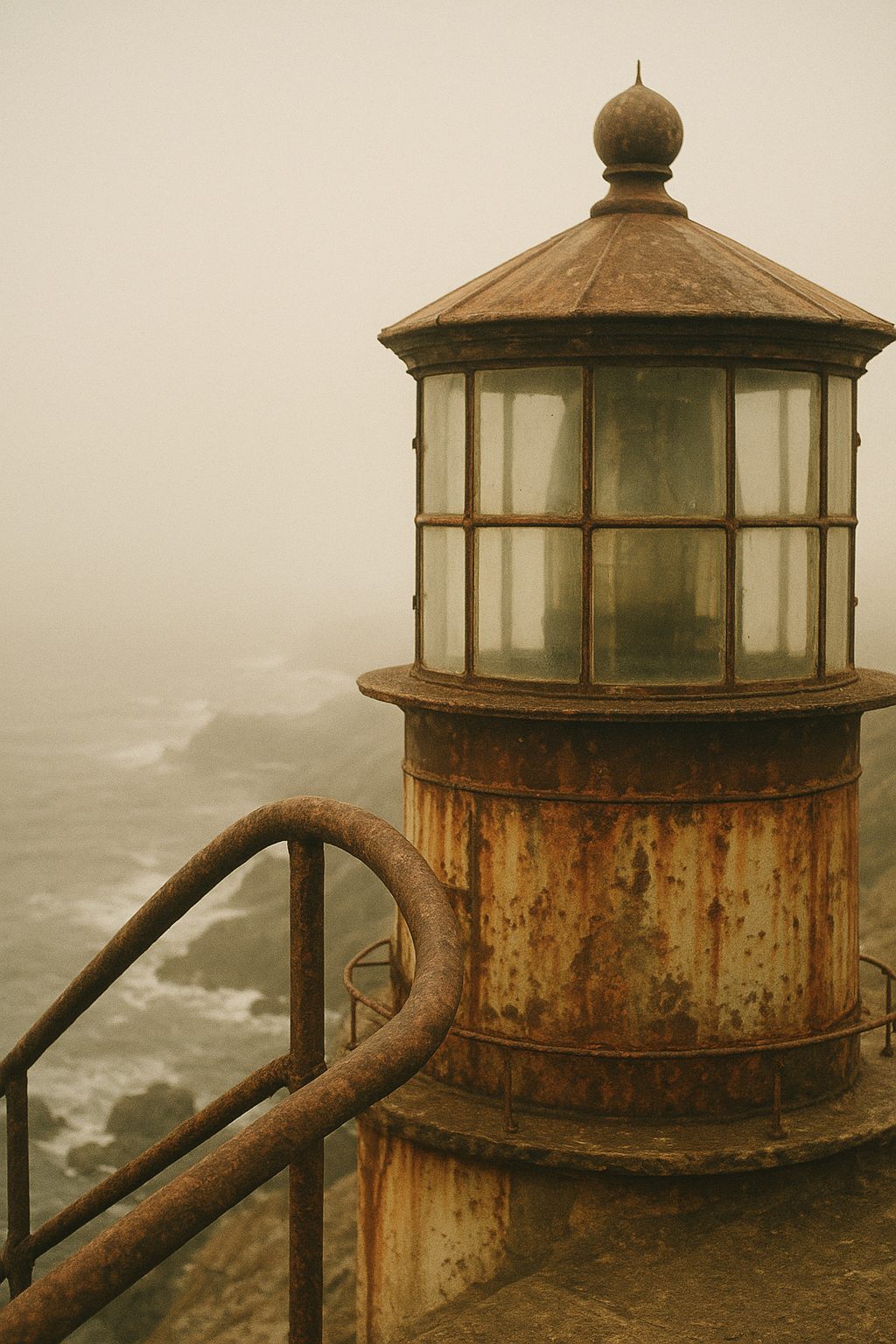
Weathered lighthouse stair and lantern detail above a misty northern shoreline
Salt-worn ironwork and lantern glazing from a preserved northern-coast tower, photographed in soft overcast light.

Preservation highlights

Four quick proof points from the northern-coast archive

A compact reference snapshot before moving into keeper narratives, photographs, and mapped tower records.

  • Preserved towers

    Still standing along the northern coast

    A surviving chain of beacons, headlands, and harbor lights anchors the archive.

  • Archive photography

    Images with texture and weather still intact

    Photographs and reproduced prints preserve the atmosphere of stone, salt, fog, and lantern light.

  • Keeper accounts

    Human stories behind the lantern room

    Short interpretive portraits trace the routines, risks, and solitude of lighthouse keeping.

  • Regional memory

    A record tied to place rather than spectacle

    Each section connects lived coastal history with the preserved towers visitors can still locate today.

Human Records · Northern Coast Keepers

Keeper stories from journals, watch logs, and handover notes

A concise reading set that restores daily routines, weather judgment, and quiet transitions between generations of lighthouse keepers.

  • Keeper record

    Storm Watch at the Headland

    A keeper's night was measured in wind shifts, lamp care, and the sound of surf striking black rock below the tower.

    “The weather was never background; it was the work itself.”
  • Keeper record

    Families in the Light Station

    Behind the lantern room were kitchens, gardens, winters, and routines that turned isolated towers into small lived-in worlds.

    “Even the most remote light had a domestic rhythm beneath its signal.”
  • Keeper record

    From Beacon to Preservation

    As technology changed, many towers passed from daily labor into memory, conservation, and renewed public attention.

    “What was once maintained for navigation is now preserved for remembrance.”
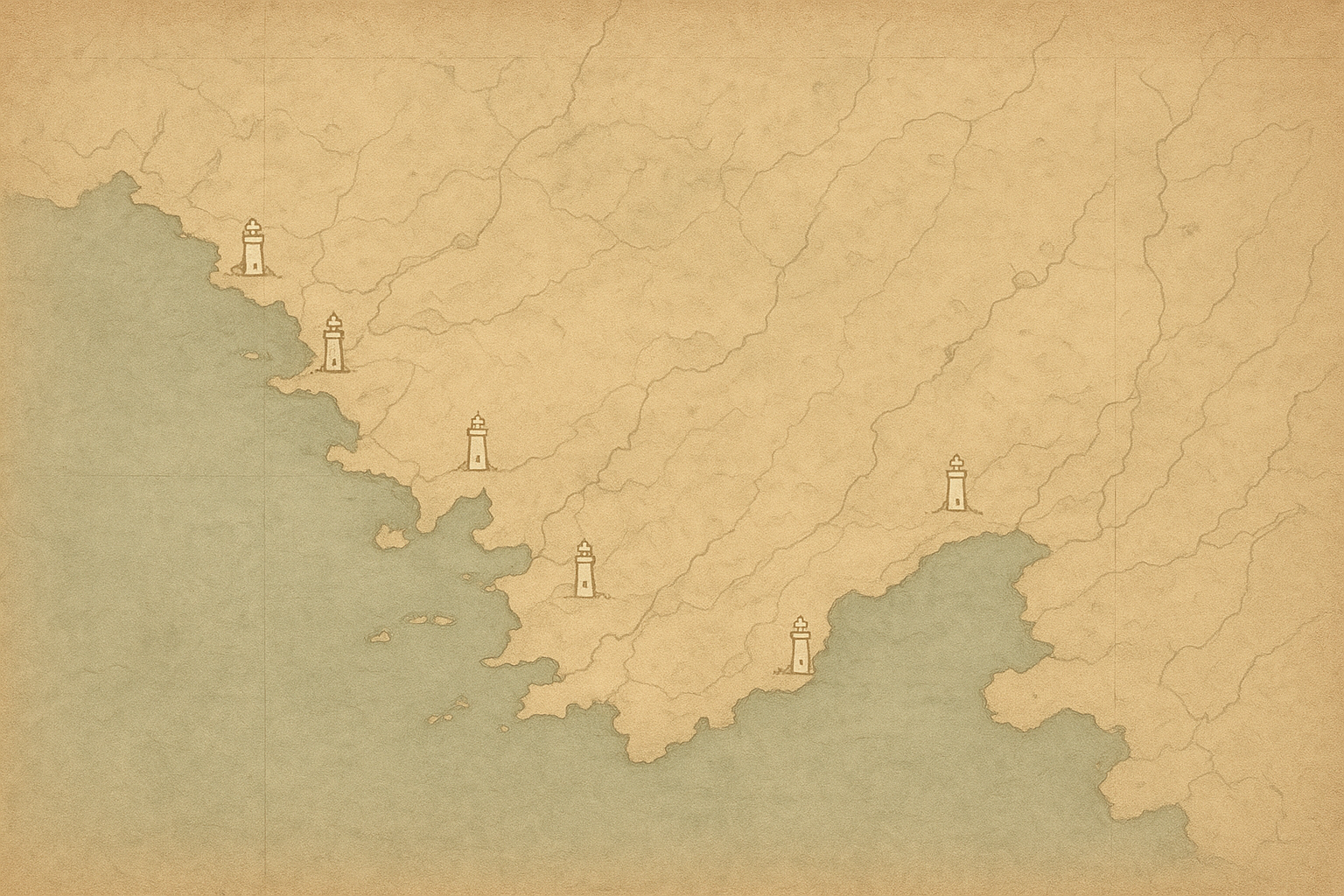
Warm archival-style illustrated map of the northern coastline with preserved lighthouse areas
  • 1
  • 2
  • 3

Research notes

Practical questions for readers and researchers

A concise reference to help you verify scope, chronology, and terminology before continuing to the map and story archives.

What does the archive focus on?

The archive brings together preserved northern-coast lighthouse history through photos, short historical interpretation, keeper-centered stories, and place-based reference.

Are all of the towers still active?

No. Some survive as preserved structures or remembered sites rather than as working aids to navigation, and the site treats preservation as part of the story itself.

Why do keeper stories matter here?

Because lighthouse history is not only architectural or nautical; it is also made of routines, families, weather, solitude, and maintenance work.

How should visitors use the map?

The map helps connect the stories and images to real preserved towers so visitors can browse the archive through place as well as chronology and atmosphere.

Is this a commercial travel or booking site?

No. The website is a non-commercial reference resource with no shop, prices, bookings, or products, and its purpose is historical interpretation and exploration.